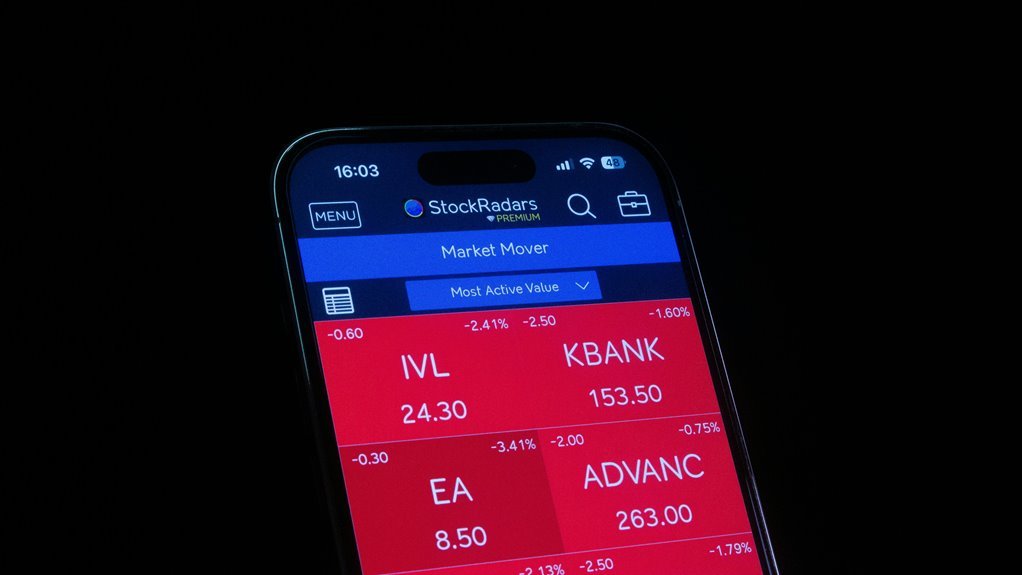
In today’s digital landscape, a strong marketing platform is not just beneficial; it is essential for business success. Companies must leverage the right tools to enhance user experience and streamline outreach. However, the challenge lies in selecting features that align with strategic goals. Understanding how to optimize existing platforms can lead to significant improvements. What are the key metrics that can reveal the true effectiveness of these efforts?
Why a Strong Marketing Platform Is Crucial for Your Business
A robust marketing platform serves as the backbone of a business’s digital strategy, enabling organizations to streamline their outreach and engagement efforts.
By ensuring brand consistency across all channels, businesses can foster authentic connections with their audience.
This heightened customer engagement not only enhances loyalty but also empowers brands to thrive in a competitive landscape, ultimately driving growth and innovation.
Essential Features for Choosing the Right Digital Marketing Tool
Selecting the right digital marketing tool is pivotal for enhancing a brand’s outreach capabilities.
Essential features to consider include seamless tool integration, which facilitates data flow and user experience.
Additionally, conducting a thorough feature comparison helps identify which tools align best with specific marketing goals.
Empowering brands with the right tools fosters creativity and strategic freedom, ultimately driving more effective marketing campaigns.
How to Optimize Your Existing Marketing Platform
While many organizations invest heavily in robust digital marketing platforms, optimizing these existing tools is crucial for maximizing their potential.
Implementing effective platform integration strategies enhances data flow and user experience. Additionally, employing content optimization techniques ensures that messaging resonates with target audiences.
Essential Metrics to Evaluate Your Digital Marketing Success
Understanding the effectiveness of a digital marketing platform requires a clear focus on specific metrics that reflect its performance.
Key indicators such as conversion rates reveal the platform’s ability to turn engagement into action, while audience engagement metrics highlight the depth of connection with the target demographic.
Analyzing these elements provides strategic insights, empowering marketers to optimize campaigns for greater freedom and impact.
Conclusion
In the intricate dance of digital marketing, a well-optimized platform serves as the stage where brands and audiences meet. Just as a conductor harmonizes diverse instruments, businesses must align their tools and strategies to create a symphony of engagement and conversion. By continually refining their approach and measuring success through key metrics, brands can not only resonate with their target demographics but also cultivate lasting connections that transform fleeting interactions into enduring loyalty.