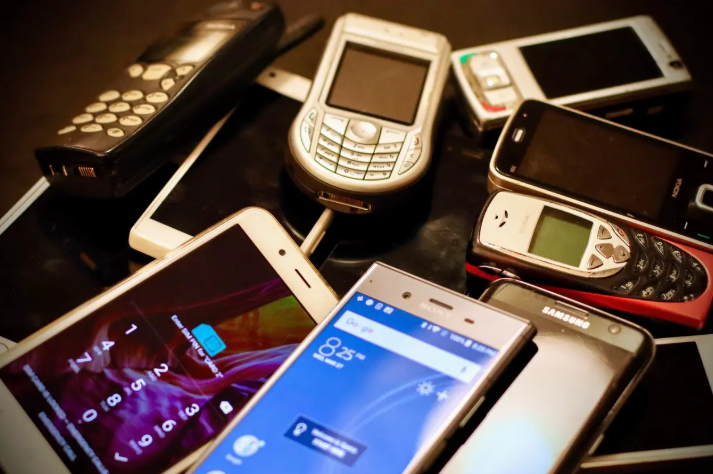
The evolution of mobile technology has transformed communication from simple analog calls to complex smartphones capable of numerous functions. This shift has enhanced connectivity and convenience for users. However, it has also introduced challenges related to dependency on these devices. As society navigates this balance, emerging technologies like 5G and wearables promise to redefine mobile interactions. Understanding these developments can provide insight into future trends and their potential impact on daily life.
The Birth of Mobile Communication
As the 20th century dawned, the foundations of mobile communication were laid, driven by the convergence of technological advancements and societal needs.
Early adopters embraced analog systems, marking a pivotal shift in how people connected. These systems, while primitive by today’s standards, offered unprecedented freedom in communication, allowing users to transcend geographical limitations and initiate conversations on the go, thus reshaping social interactions.
The Rise of Smartphones
The advent of smartphones marked a revolutionary leap in mobile communication, building on the groundwork laid by earlier analog systems.
With advanced smartphone features like touchscreens, cameras, and robust processors, users gained access to a myriad of mobile applications.
These applications transformed personal and professional experiences, facilitating instant connectivity and enabling a new era of digital interaction, reflecting an evolving desire for freedom and convenience.
See also: tomaflix
Impact on Society and Daily Life
While mobile technology has significantly reshaped communication, its impact on society and daily life extends far beyond mere connectivity.
It fosters social connectivity, enabling relationships across vast distances, yet simultaneously cultivates a troubling digital dependency.
This duality creates a paradox where freedom of communication often coexists with a reliance that can hinder authentic interactions and personal autonomy, prompting ongoing societal reflection.
The Future of Mobile Technology
Although predictions about the future of mobile technology often vary, a consensus emerges around the transformative trends poised to reshape user experiences and societal interactions.
Key advancements include 5G connectivity enhancing IoT integration, wearable devices becoming ubiquitous, and artificial intelligence streamlining mobile payments.
Additionally, augmented reality will revolutionize interactions, while mobile security and cloud computing will underpin a more interconnected and secure digital landscape.
Conclusion
As mobile technology continues to evolve, the trajectory from rudimentary analog devices to today’s AI-enhanced smartphones illustrates a profound transformation in human interaction. This journey, akin to the invention of the printing press, has not only revolutionized communication but also fostered a culture increasingly reliant on digital connectivity. Looking ahead, advancements like 5G and wearable tech promise to deepen this integration, challenging society to navigate the delicate balance between innovation and the perils of over-dependence on technology.