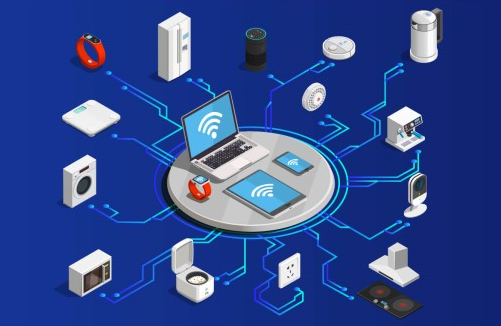
The integration of IoT into daily life has transformed various sectors, enhancing operational efficiency and user experience. Smart home automation streamlines household management, while wearable health devices provide critical health insights. Connected transportation systems optimize traffic patterns, and IoT applications in agriculture support sustainable practices. As these technologies evolve, they raise questions about their broader implications and potential challenges. Understanding these dynamics is crucial for navigating the future landscape of interconnected living.
Smart Home Automation
How can smart home automation transform daily living? By integrating smart thermostats and automated lighting, households gain enhanced control and energy efficiency.
Smart thermostats learn user preferences, optimizing temperature settings to reduce energy consumption while maintaining comfort.
Meanwhile, automated lighting systems adapt to occupancy and natural light levels, promoting convenience and sustainability.
This technological evolution empowers individuals to design their environments for greater freedom and efficiency.
See aslo: tomaflix
Wearable Health Devices
The integration of technology into daily life extends beyond smart home automation to encompass wearable health devices, which have revolutionized personal health management.
These devices enable fitness tracking and remote monitoring, empowering individuals to actively engage with their health data.
Connected Transportation
As urban populations continue to swell and the demand for efficient transportation solutions escalates, connected transportation emerges as a pivotal innovation in mobility management.
Utilizing smart traffic systems and advanced vehicle tracking technologies, cities can optimize traffic flow, reduce congestion, and enhance safety.
This integration fosters a seamless travel experience, empowering individuals with real-time data and promoting sustainable urban mobility solutions that prioritize freedom of movement.
IoT in Agriculture
Agriculture stands at the forefront of a technological revolution, driven by the integration of Internet of Things (IoT) solutions that enhance productivity and sustainability.
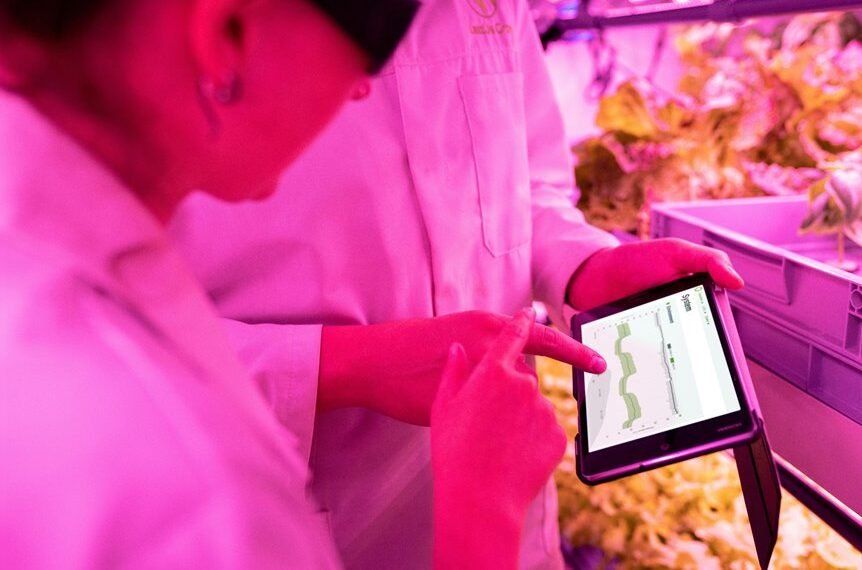
Precision farming employs IoT sensors for real-time crop monitoring, optimizing resource usage, and minimizing waste.
This innovative approach empowers farmers to make data-driven decisions, fostering both economic viability and environmental responsibility in a rapidly evolving agricultural landscape.
Conclusion
In conclusion, the everyday applications of IoT act as a complex web, intricately connecting various facets of daily life and fostering a seamless integration of technology and human experience. Just as a conductor orchestrates a symphony, IoT harmonizes devices and systems, enhancing efficiency and convenience. This interconnected ecosystem not only transforms individual interactions but also paves the way for a sustainable future, illustrating the profound impact of innovation on our environment and daily routines.